Fisheries & Aquatic Farming:
Aquatic farming is a profitable and fast-growing agricultural sector that utilizes water resources efficiently. With proper management, fish and shrimp farming can generate high returns and contribute to food security and export income.
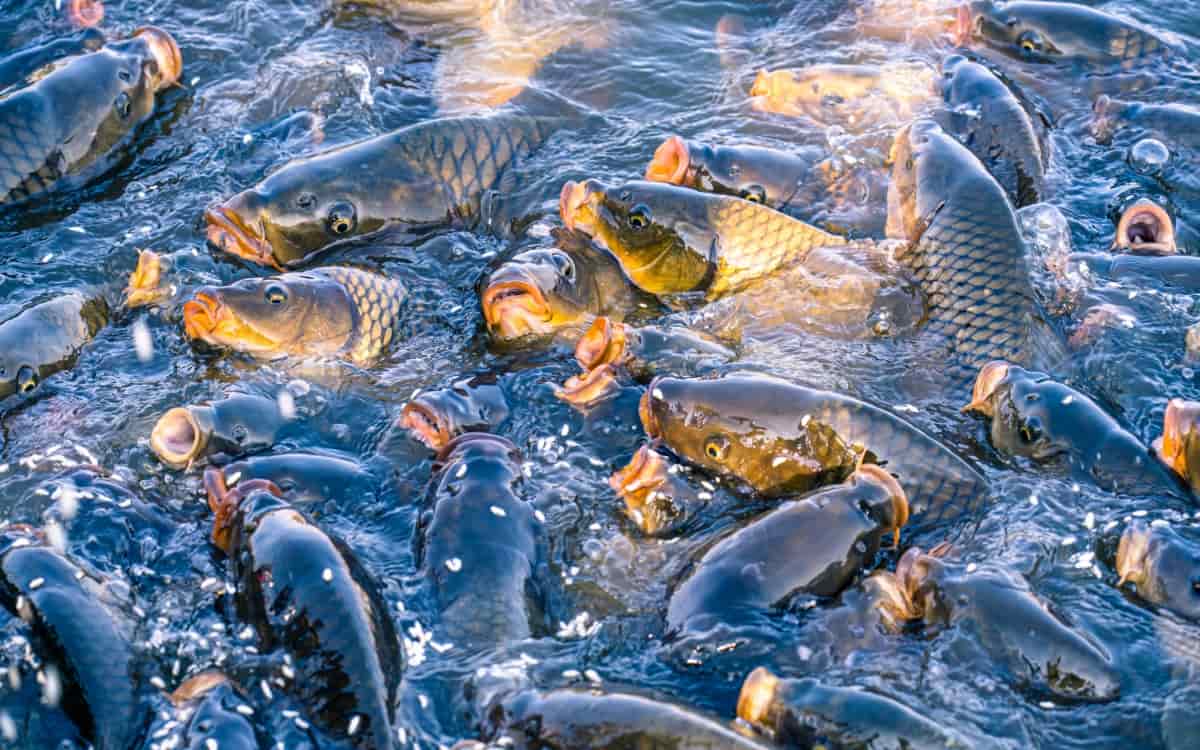
Fish Farming
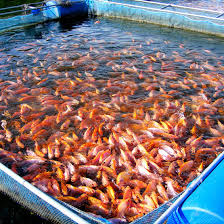
Types: Rohu, Catla, Tilapia
Fish farming is suitable for freshwater ponds, tanks, or reservoirs. It provides regular income and requires systematic pond and feed management.
-
Pond Preparation
Clean the pond thoroughly by removing weeds, unwanted fish, and debris. Ensure proper pond depth and repair embankments to prevent leakage.
-
Liming
Apply lime to balance the pH level of the water and eliminate harmful bacteria. Liming improves water quality and enhances fish growth.
-
Fingerling Stocking
Select healthy and disease-free fingerlings. Stock them in proper density according to pond size to avoid overcrowding.
-
Feeding
Provide balanced and nutritious feed regularly. Proper feeding ensures faster growth and better weight gain.
-
Water Quality Check
Monitor oxygen level, pH, temperature, and cleanliness. Good water quality is essential for healthy fish production.
-
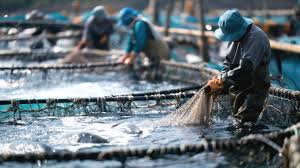
Harvesting
Fish are harvested when they reach marketable size. Proper harvesting methods prevent stress and damage.
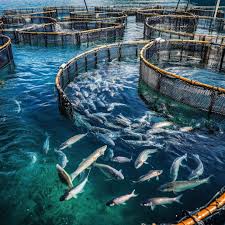
Shrimp Farming
(Suitable for Coastal Areas)
Shrimp farming is a high-investment but high-profit business, especially in export-oriented markets.
-
Pond Disinfection
Clean and disinfect ponds to eliminate harmful pathogens before stocking shrimp seeds.
-
Seed Stocking
Use certified, disease-free shrimp seeds (post-larvae). Maintain recommended stocking density.
-
Aeration
Install aerators to maintain sufficient oxygen levels in water. Proper aeration improves shrimp survival and growth.
-
Disease Control
Regular monitoring is essential to prevent viral and bacterial diseases. Maintain hygiene and biosecurity measures.
-
Export Marketing
Shrimp has strong demand in international markets. Proper grading, packaging, and cold storage are necessary for export quality.
Encouragement for Small-Scale Aquaculture Investment
Dear Aspiring Aquaculture Farmer
Starting your own small-scale fisheries or aquatic farming venture is a forward-thinking and rewarding decision. With growing demand for fish and seafood, aquaculture offers an excellent opportunity to generate steady income while contributing to food security and sustainable development. Here’s why investing in small-scale fisheries and aquatic farming is a smart and fulfilling choice:
Personal Fulfillment & Skill Development
Aquatic farming connects you closely with nature and water ecosystems. From preparing ponds to monitoring water quality and nurturing fish or shrimp to maturity, each stage builds valuable technical knowledge and management skills. Watching your stock grow under your care brings both pride and confidence in your abilities.
Sustainable and Profitable Income
Fish and shrimp farming can provide reliable and recurring income when properly managed. With careful planning, balanced feeding, and disease control, even a modest pond can produce significant yields. Many farmers also diversify by supplying fresh fish to local markets or targeting high-value export markets in the case of shrimp, ensuring long-term financial stability.
Positive Community Contribution
By producing fresh, high-quality fish and seafood, you help meet the nutritional needs of your community. Your farm supports local feed suppliers, laborers, transporters, and traders—strengthening the rural economy and promoting food self-sufficiency.
Environmental Responsibility
Small-scale aquatic farming, when managed responsibly, promotes sustainable use of water resources. Practices such as proper pond management, controlled feeding, and waste management help maintain ecological balance. Responsible aquaculture can protect biodiversity and maintain healthy aquatic environments.
Flexibility and Growth Potential
Aquatic farming offers flexibility in scale and species selection. You may start with freshwater fish like rohu, catla, or tilapia, or explore shrimp farming in suitable coastal areas. As your experience and confidence grow, you can expand pond size, increase stocking capacity, or adopt improved technologies for higher productivity
Building a Long-Term Enterprise
Fisheries and aquaculture are not just seasonal activities—they can become stable and scalable businesses. With dedication, ongoing learning, and smart investment, your small pond today can develop into a thriving aquaculture enterprise that supports your family for years to come.
Remember, every successful fisheries and aquatic farming venture began with a single pond and a determined vision. With dedication, proper water management, quality seed selection, and thoughtful investment, you can build a strong foundation for a profitable and sustainable aquaculture enterprise. Stay patient, monitor consistently, and keep improving your techniques—your small beginning today can grow into a thriving fisheries and aquatic farming venture tomorrow.
Wishing you the best of luck on your Fisheries & Aquatic Farming journey!
Warm regards,
Valipi Reddy
CEO, IMFORU PVT. LTD