Mari Farming
Mariculture is the cultivation of marine organisms such as fish, shellfish, and seaweed in oceans, estuaries, or coastal areas. It supports sustainable seafood production, enhances marine resources, and provides economic opportunities for coastal communities.
Types of Mariculture Species
Different marine species are farmed depending on water conditions, market demand, and ecological suitability.
-
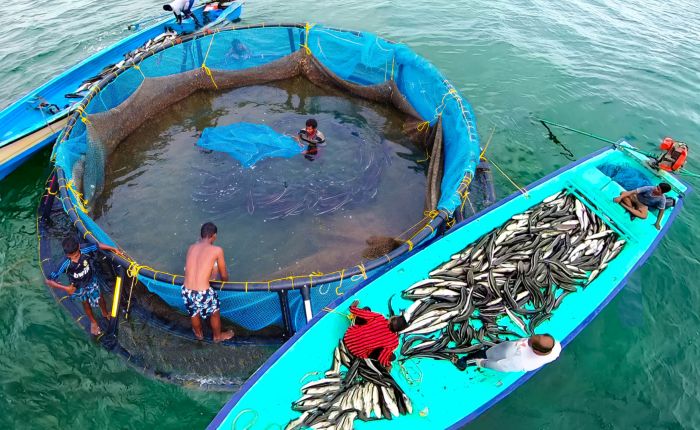
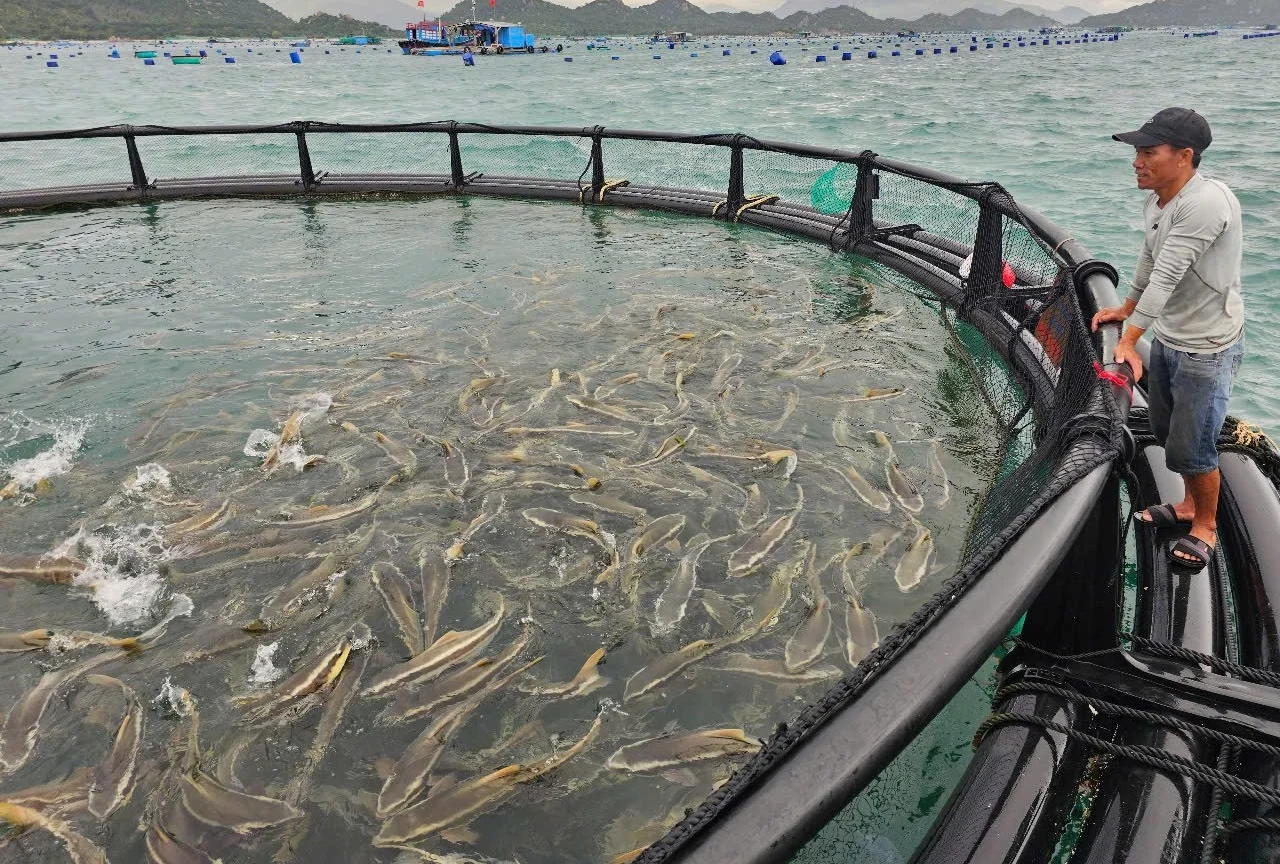
Finfish such as salmon, sea bass, and grouper
-
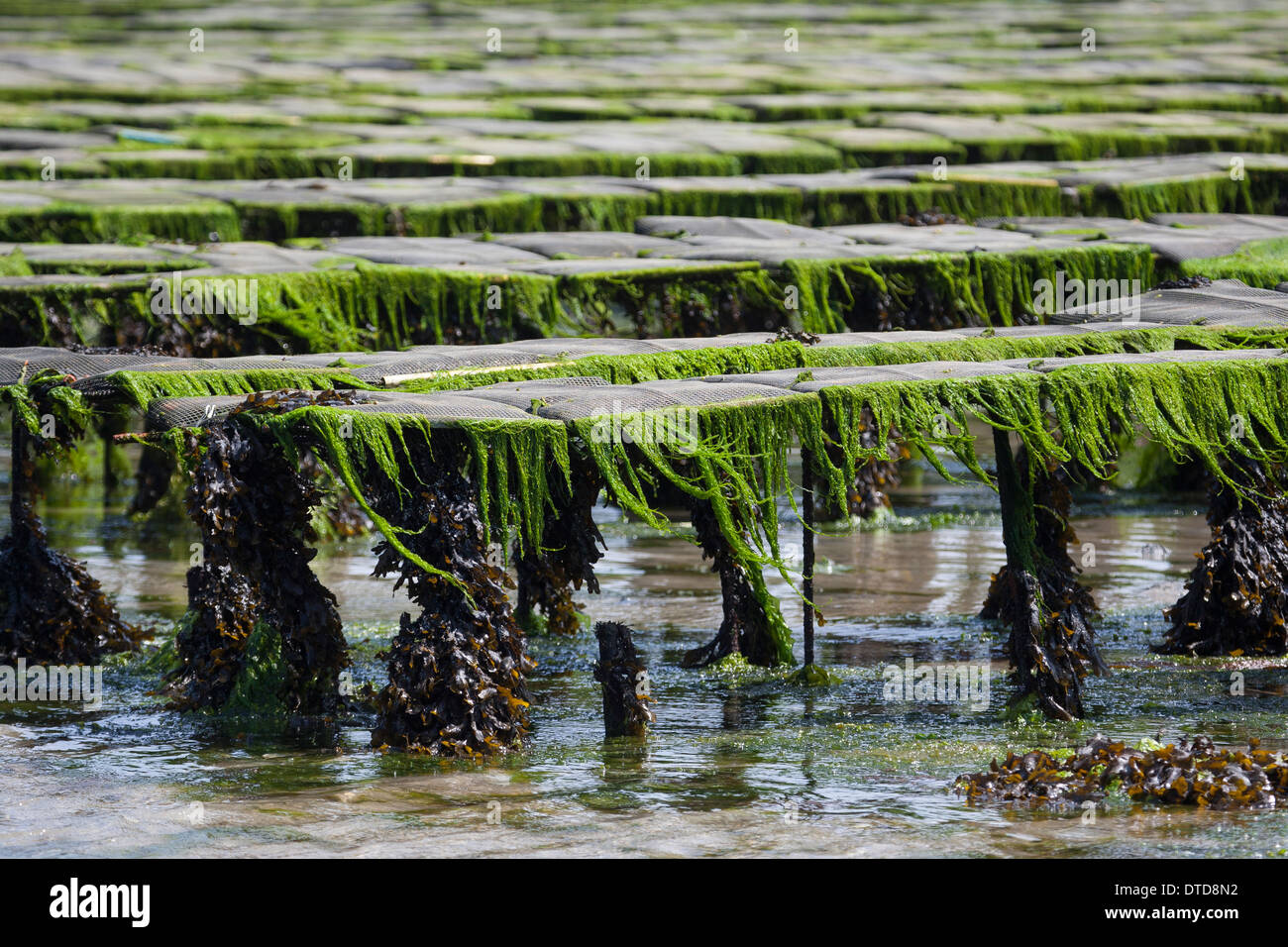
Shellfish including oysters, mussels, and clams
-
Seaweed cultivation for food and industrial use
-
Crustaceans like shrimp, crabs, and lobsters
Farming Techniques
Mariculture employs various techniques to maintain healthy growth and high yields of marine species.
-
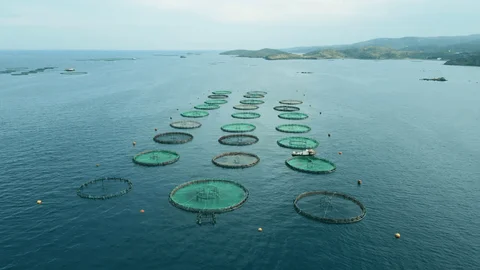
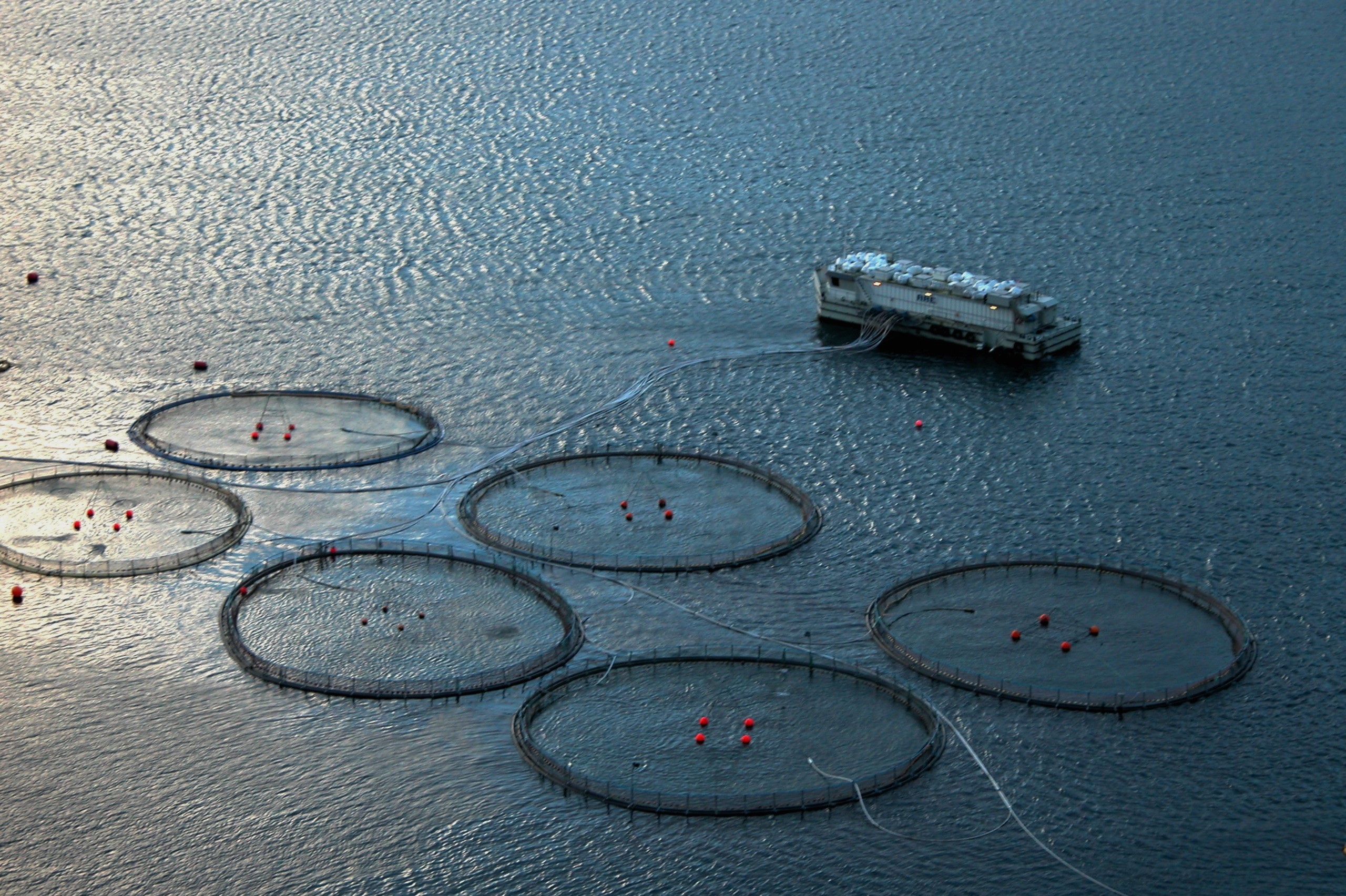
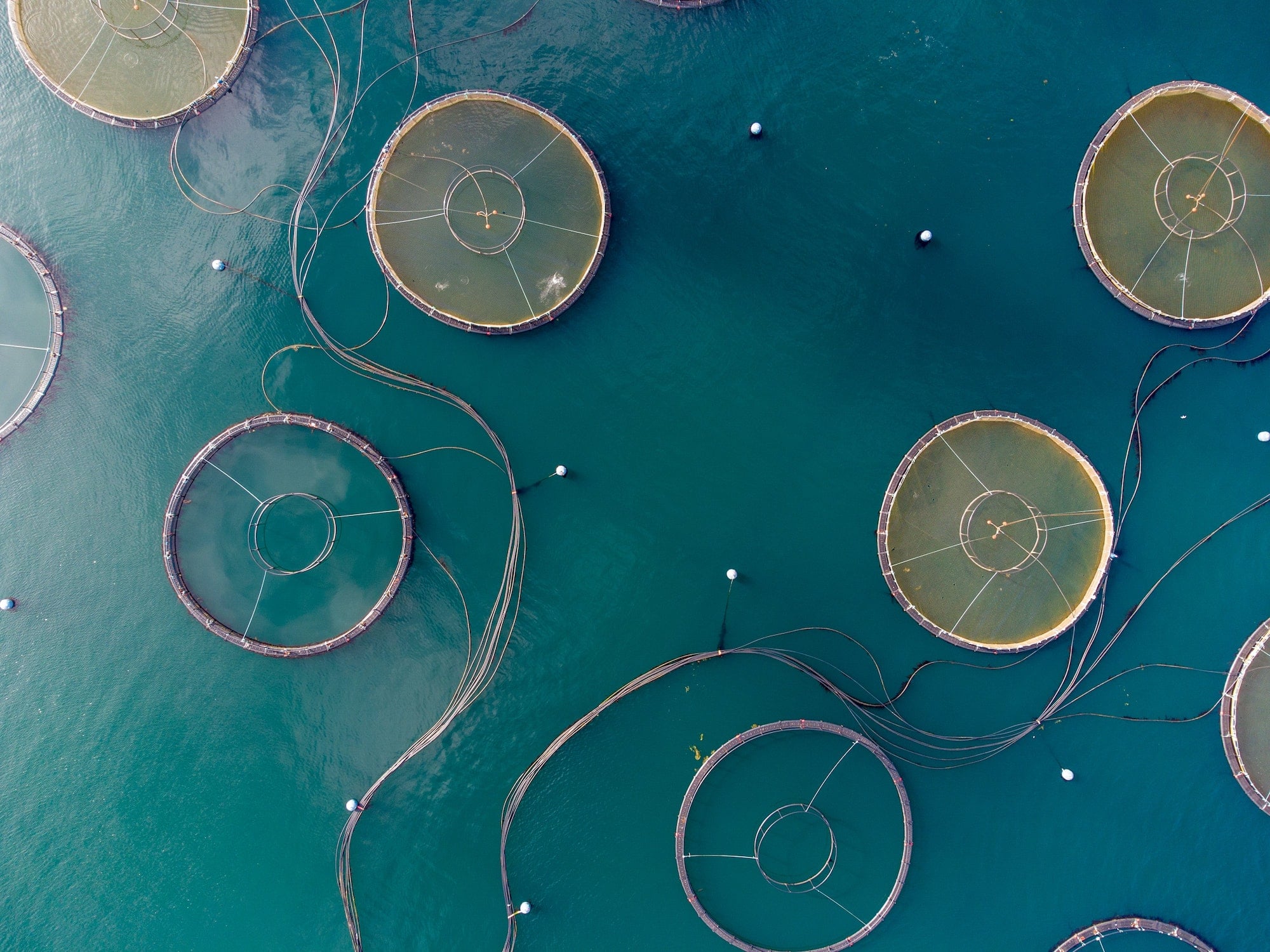
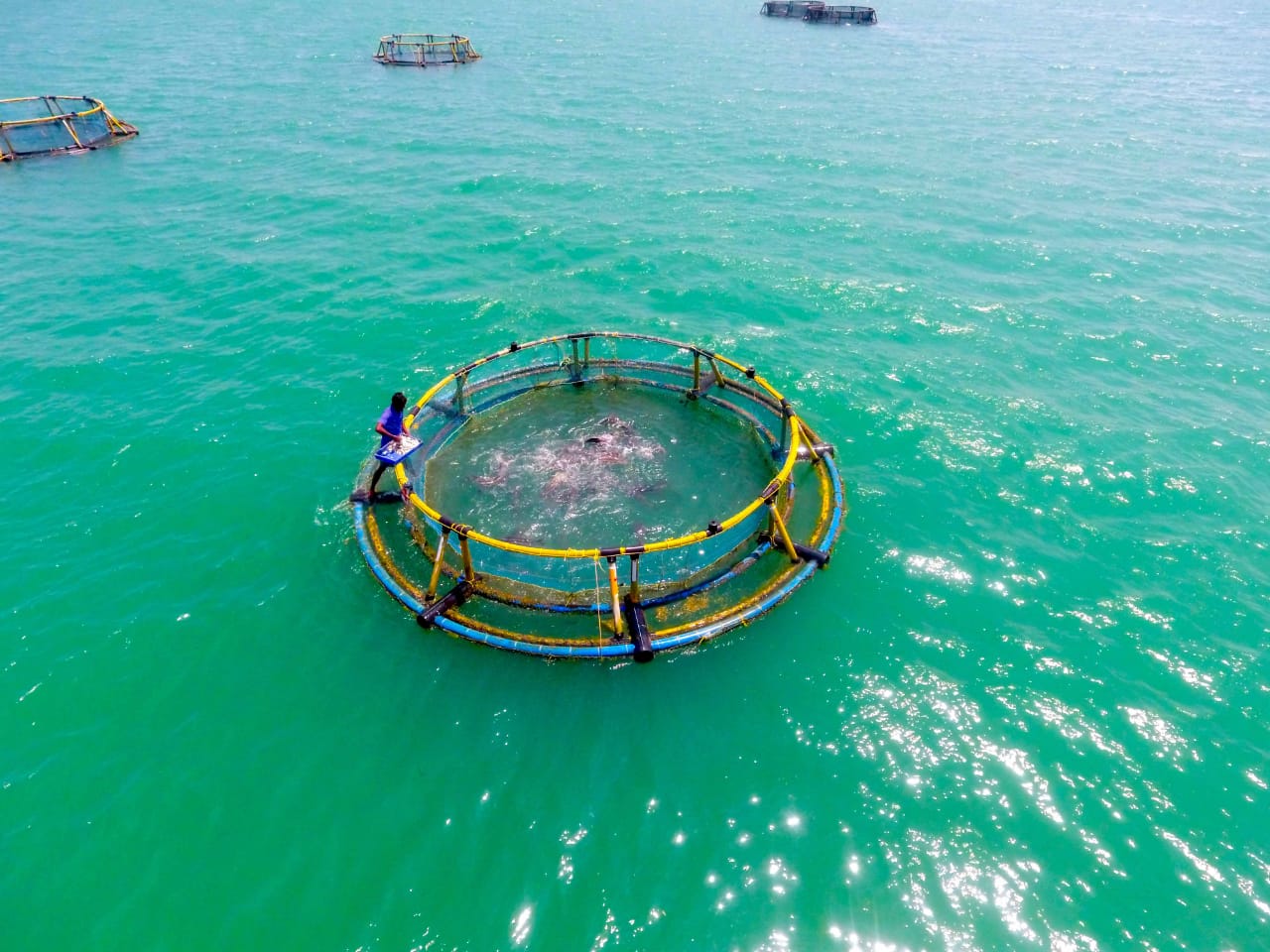
Cage and net pen culture in open waters
-
Pond and tank systems for controlled farming
-
Integrated multi-trophic aquaculture (IMTA)
-
Regular water quality monitoring and management
Uses of Mariculture Products
Marine products from mariculture are used widely in food, health, and industrial sectors.
-
Fresh and processed seafood for domestic consumption
-
Export to international markets
-
Raw materials for nutraceuticals and cosmetics
-
Seaweed for food, fertilizer, and biofuel
Benefits of Mariculture Farming
Mariculture supports sustainable aquaculture, improves livelihoods, and strengthens food security.
-
Provides steady income for coastal communities
-
Reduces pressure on wild fish stocks
-
Supports sustainable seafood supply
-
Generates employment and economic growth
Encouragement for Small-Scale Aquaculture Investment
Long-Term Income Opportunity
Mariculture farming provides coastal farmers with a stable and long-term source of income. With proper site selection, regular harvesting cycles, and good farming practices, mariculture operations can generate consistent returns across multiple seasons.
Sustainable Aquacultural Practice
Mariculture farming supports environmentally friendly aquaculture practices. Cultivated marine species help maintain ecological balance, improve water quality, and contribute to healthy marine ecosystems while providing a sustainable source of seafood.
Growing Market Demand
Fresh marine products are always in high demand in local and international seafood markets. By investing in mariculture farming, farmers can benefit from the growing consumer demand for fresh, nutritious, and sustainably produced seafood.
Scalable and Future-Ready Farming
Mariculture farming allows farmers to start with a small coastal or marine cultivation area and gradually expand production. With proper planning, suitable water conditions, and modern farming techniques, mariculture can become a highly profitable aquaculture enterprise.
Remember, every successful modern farming enterprise once began with a small experiment and a strong vision. With dedication, smart planning, continuous learning, and thoughtful investment in technology, you can build a solid foundation for a thriving Modern & Smart Farming venture. Stay adaptable, embrace innovation, and manage your resources wisely—your small beginning today can grow into a highly productive and future-ready agricultural enterprise tomorrow.
Wishing you the best of luck on your Modern & Smart Farming journey!
Warm regards,
Valipi Reddy
CEO, IMFORU PVT. LTD