Welcome to imforu Agriculture & Organic Farms

IMFORU Agriculture
Farm of laughter and happiness!

At IMFORU Farming, our mission is to cultivate a sustainable future by blending traditional farming wisdom with Modern Innovation. We are committed to nurturing the land, raising healthy Livestock, and producing High-Quality, natural products that Enrich Lives.

  • Basinikonda, Madanapalle, Annamayya (Dist), AP, Pin - 517325.

  • Call us: +916301079402

  • Mail Support: imforupvtltd@gmail.com

  • Mon - Sat: 8.00am - 18.00pm
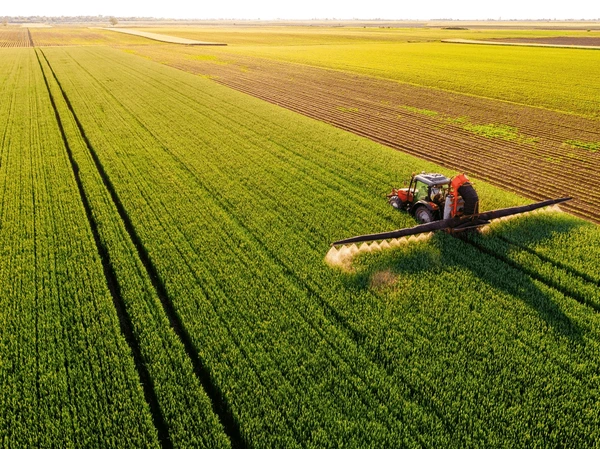
What Farming Do We Provide?

About Millet Crops

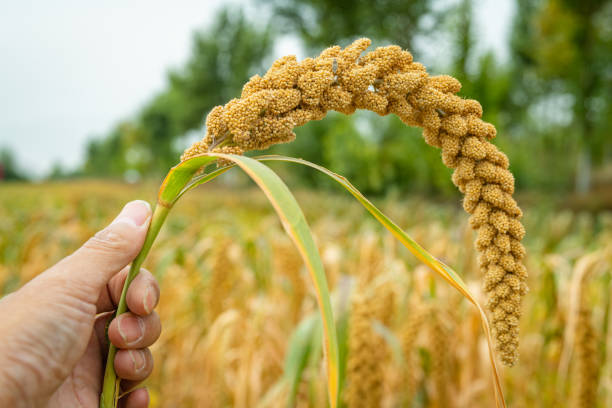
Millet Farming: Bajra, Jowar, Little Millet, Browntop Millet & Kodo Millet

Millet crops are small-grained cereals known for their high nutritional value and ability to grow in dry and semi-arid regions. They require less water and are highly resilient to harsh climate conditions, making them an important crop for sustainable agriculture and food security.

Bajra (Pearl Millet)

Bajra is one of the most important millet crops in India, widely grown in Rajasthan, Maharashtra, and Haryana. It is drought-tolerant and thrives in dry, low-fertility soils.

  • Most widely cultivated millet in India

  • Highly drought-resistant and heat-tolerant

  • Rich in iron, zinc, and B vitamins

  • Used in roti, khichdi, and livestock feed

  • Short growing season of 75-90 days

Jowar (Sorghum)

Jowar is a coarse cereal crop and one of the most important staple foods in India. It grows in warm, semi-arid conditions and is used for both food and fodder.

  • Third most important cereal crop in India

  • Rich in dietary fiber and protein

  • Used in bhakri, porridge, and flour

  • Highly adaptable to poor soils

Little Millet (Kutki)

Little millet is a small-grained cereal crop commonly cultivated in tribal regions of India. It is nutritious, easy to grow, and highly resistant to pests.

  • Grows in marginal lands with little input

  • Rich in magnesium and iron

  • Short crop duration of 65-75 days

  • Important crop for food security

Browntop Millet (Korale)

Browntop millet is a fast-growing, hardy millet variety gaining popularity as a healthy grain and used in many health food products.

  • Fast-growing with 45-60 day crop cycle

  • Rich in fiber and helps manage blood sugar

  • Good for controlling weeds when grown densely

  • Grows well in light, sandy soils

Kodo Millet (Varagu)

Kodo millet is an ancient grain widely grown in southern and central India. It is nutrient-dense, easy to digest, and popular in health food markets.

  • Highly nutritious with high fiber content

  • Grows in hard, clay soils with minimal care

  • Used in rice, porridge, and health snacks

  • Resistant to drought and pests

Encouragement for Small-Scale Horticulture Farming Investment

Dear Aspiring Horticulture Farmer

  • Embarking on the journey to start your own horticulture farm is a bold and rewarding step—one that holds the potential to bring lasting benefits to you, your family, and your community. Here’s why investing in small-scale horticulture farming is a smart and fulfilling choice

Personal Fulfillment & Growth

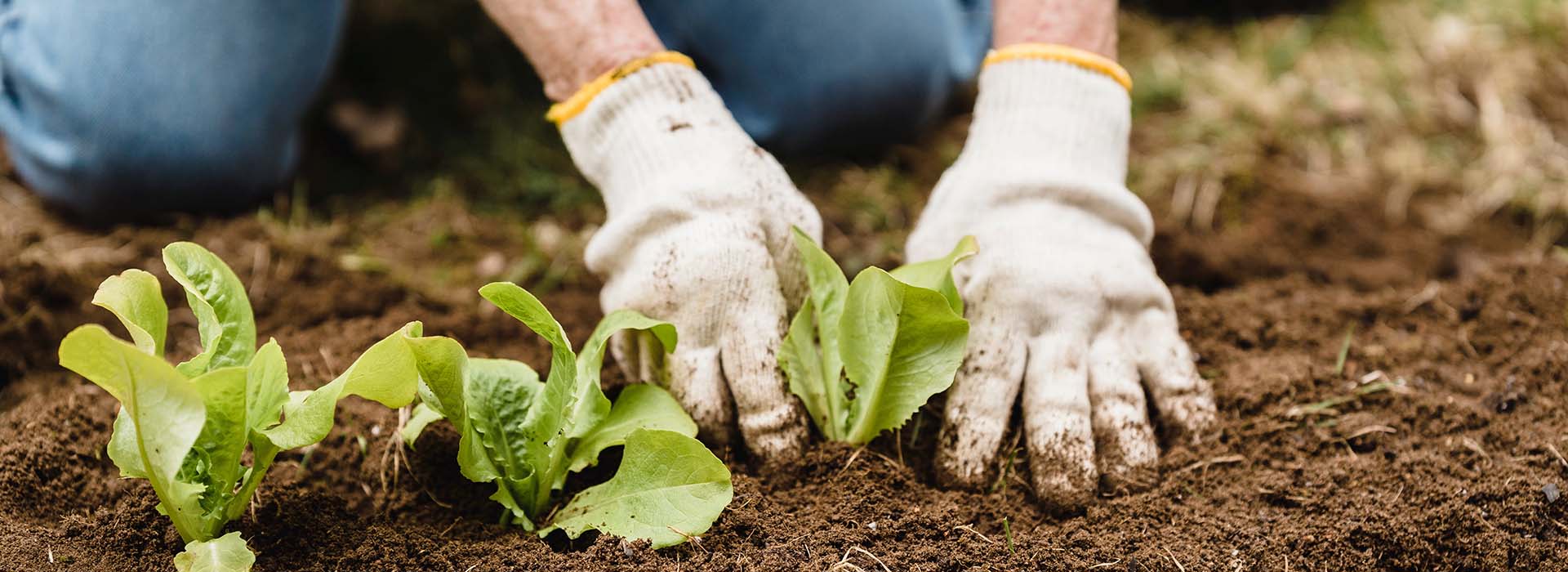
  • Horticulture farming offers more than financial rewards—it connects you deeply with nature’s beauty and seasonal rhythms. Cultivating fruits like Mango and Banana, vegetables like Tomato, spices like Turmeric, or flowers like Rose builds valuable skills in crop planning, irrigation, pruning, and pest management. Each harvest brings a sense of achievement and pride in producing fresh, high-quality produce.

Sustainable and Reliable Income

  • Horticulture crops often provide higher returns per acre compared to traditional crops. With proper crop selection and seasonal planning, you can ensure continuous production and steady cash flow. Value addition—such as fruit processing, spice packaging, or bouquet preparation—can further increase profits. Even a small investment, when managed wisely, can generate strong and long-term financial stability.

Positive Community Impact

  • By growing fresh fruits, vegetables, spices, and flowers locally, you directly contribute to better nutrition and healthier lifestyles in your community. Your farm supports local markets, laborers, and supply chains, strengthening the rural economy while ensuring access to fresh and quality produce.

Environmental Responsibility

  • Small-scale horticulture encourages sustainable practices such as drip irrigation, organic manure application, crop rotation, and natural pest control. These methods conserve water, maintain soil fertility, and reduce environmental impact. Your farm can become a model of eco-friendly agriculture.

Flexibility and Independence

  • Owning a horticulture farm gives you the freedom to choose diverse crops based on climate, soil, and market demand. You can experiment with new varieties, greenhouse cultivation, or organic farming methods. The flexibility allows you to shape your farming journey according to your goals and creativity.

Creating a Legacy

  • A horticulture farm is more than just a source of income—it is a living investment that grows stronger year after year. It teaches dedication, responsibility, and respect for nature. By starting today, you are planting the seeds of prosperity and opportunity for future generations.

Remember, every successful horticulture farming enterprise once began with a small garden and a passionate vision. With dedication, proper crop planning, careful soil and water management, and thoughtful investments, you can lay the foundation for a thriving horticulture farming venture. With patience and consistent care, your efforts can grow into a sustainable and profitable enterprise that flourishes season after season.

Wishing you the best of luck on your horticulture farming journey!
Warm regards,
Valipi Reddy
CEO, IMFORU PVT. LTD